Rubbish removal Gloucester Road South Kensington SW7
Posted on 26/05/2026
Rubbish removal Gloucester Road South Kensington SW7: a practical local guide
If you live, work, or manage property near Gloucester Road in South Kensington, rubbish has a way of appearing at the least convenient moment. One day it is a broken wardrobe, the next it is builders' rubble, old office chairs, or a garage corner that has slowly become a graveyard for "useful someday" things. Rubbish removal Gloucester Road South Kensington SW7 is really about getting that mess out quickly, safely, and without turning your day into a logistical headache.
This guide explains how local rubbish removal works, what it is best suited for, how to choose the right service, and what to watch out for. It also covers compliance, practical planning, and a few real-world tips that can save time, money, and a fair bit of stress. Truth be told, the best rubbish clearance jobs usually look very boring from the outside. That is the point.
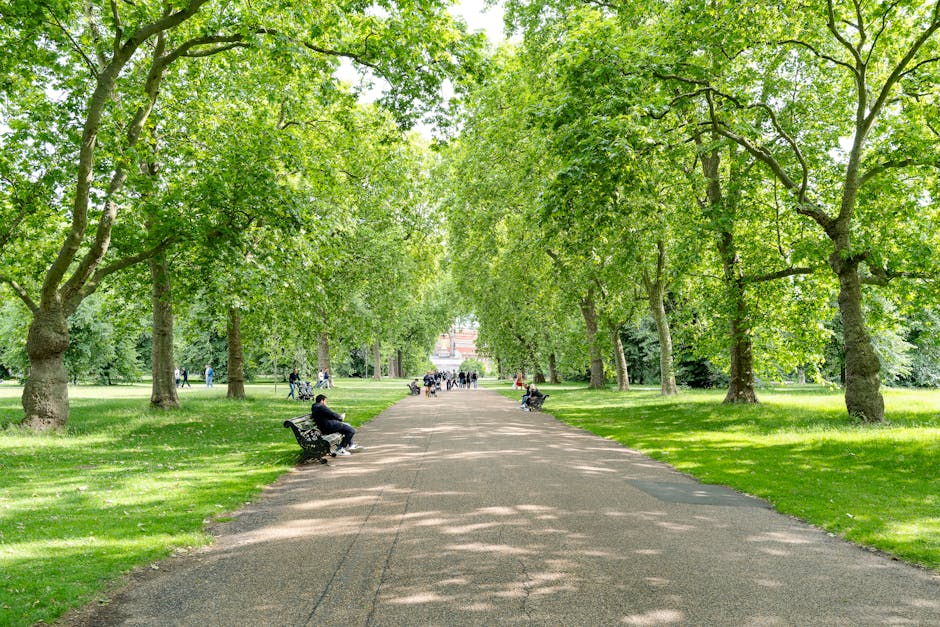
Why Rubbish removal Gloucester Road South Kensington SW7 Matters
Gloucester Road sits in a busy part of South Kensington where residential streets, flats, mews properties, retail units, and offices all sit close together. That creates a very practical challenge: waste cannot just be left lying around, and it often needs moving through narrow access points, shared entrances, or controlled parking areas. If you have ever tried carrying a heavy sofa down a Victorian staircase at 7.30 on a wet Tuesday morning, you already know why this matters.
Efficient rubbish removal in this area is useful for three main reasons. First, it keeps properties usable and presentable. Second, it helps reduce trip hazards, odours, pests, and blocked access. Third, it supports compliance with responsible disposal practices, which matters whether you are a homeowner, landlord, tenant, shop owner, or facilities manager.
There is also a local quality-of-life angle. In a neighbourhood where space is valuable and storage is often tight, waste builds up faster than people expect. A few bags in the hallway become a pile. A pile becomes a problem. And then, suddenly, you are sorting out a skip permit or chasing a last-minute collection. Better to handle it before it turns into a miniature project.
For broader service context, many customers also start by reviewing the services overview to see how different waste and clearance options fit together. That is often the simplest way to avoid choosing the wrong service for the job.
How Rubbish removal Gloucester Road South Kensington SW7 Works
Most local rubbish removal services follow a straightforward process, but the details matter. The right approach depends on volume, access, waste type, and timing. In practice, a good service will ask a few sensible questions before arriving, because the person on site needs to know whether they are dealing with a couple of bulky items, mixed household waste, garden cuttings, or a proper clear-out.
Here is the usual flow:
- Initial enquiry: You describe what needs removing, where it is located, and any access issues.
- Quote or estimate: The service should give a clear price basis, often based on load size, item type, labour, and disposal requirements. If you want to understand how quotes are structured, the page on pricing and quotes is worth a look.
- Arrival and loading: The crew assesses the waste, confirms the job, and removes items carefully.
- Sorting and handling: Reusable, recyclable, and general waste are separated where possible.
- Transport and disposal: Items are taken to appropriate facilities rather than dumped somewhere "for later".
- Completion: The area is left tidy, and any final details are checked before the team leaves.
One of the small but important differences between a decent service and a poor one is communication. You should know what is included, what might cost extra, and whether the team can handle awkward items such as disassembled furniture, white goods, or builders' waste. If you are dealing with multiple waste types, a more general waste clearance and disposal service in South Kensington can sometimes be the most practical route.
For domestic jobs, the process is usually quite simple. For commercial or property-related jobs, there may be extra coordination with staff, neighbours, concierge teams, or letting agents. That is normal. It just means the collection has to be handled a bit more carefully.
Key Benefits and Practical Advantages
The obvious benefit is that the rubbish goes away. But the real value is what that creates: usable space, better presentation, reduced stress, and fewer risks of damage or complaints. In a busy postcode like SW7, those benefits show up quickly.
- Fast clearance: You reclaim rooms, hallways, or storage areas without waiting around for weeks.
- Less disruption: A professional collection is usually quicker and less messy than trying to move everything yourself.
- Safer handling: Heavy, sharp, or awkward items are less likely to cause injury when handled properly.
- Better property presentation: Important for landlords, agents, shops, and anyone preparing a home for sale or rent.
- Responsible disposal: Proper sorting and facility use supports recycling and reduces avoidable waste.
There is a less obvious benefit too: decision relief. People often spend too long living with clutter because they are trying to find the "perfect" time to deal with it. That perfect time rarely arrives. A booked collection creates a deadline, and frankly, that is often what makes the whole thing happen.
If sustainability matters to you, ask how materials are handled. A service with a sensible approach to sorting and recovery is usually better aligned with the guidance on recycling and sustainability. Not every item can be reused or recycled, but a proper service should be able to explain what happens to different waste streams.
Who This Is For and When It Makes Sense
Rubbish removal in Gloucester Road, South Kensington is not just for people doing a full house clear-out. It is useful in a lot of everyday situations, and some are very ordinary. That is often the point.
- Homeowners: For bulky item disposal, general decluttering, or end-of-project mess.
- Tenants: Especially at the end of a tenancy, after a move, or when a storage area has gotten out of hand.
- Landlords and letting agents: For clearance between occupants, abandoned items, or post-tenant clean-ups.
- Businesses: For office furniture, packaging, old stock, and routine commercial waste handling.
- Builders and tradespeople: For rubble, timber offcuts, packaging, and renovation debris.
It also makes sense when you do not have a vehicle, cannot physically move the waste, or simply do not want the hassle. Let's face it, not everyone wants to spend a Saturday wrestling a mattress into a car park. Some people try. Few enjoy it.
For property-related moves or refurbishment plans, rubbish removal often sits alongside other decisions. If you are preparing to buy, sell, or improve a home locally, the nearby guides on buying real estate in Kensington and the Kensington housing market buyers guide can help you think more broadly about timing and property condition.
Step-by-Step Guidance
If you want the cleanest, least stressful experience, it helps to approach the job methodically. A good rubbish removal service should make things simple, but you still get the best result when you prepare properly.
- Identify exactly what needs to go. Walk through the property and separate rubbish, reusable items, and anything that may need specialist handling.
- Check access. Note stairs, lifts, parking, loading restrictions, and any tight corners. Gloucester Road and nearby streets can be busy, so access details matter.
- Photograph the waste if needed. This helps with accurate quoting, especially for mixed or bulky loads.
- Ask about item types. Different materials can affect how the job is priced and how waste is processed.
- Confirm timing. Choose a slot that fits your building rules, neighbours, or business hours.
- Prepare the waste area. Move items to one place if you can do so safely, because it speeds things up on arrival.
- Check what happens after collection. Ask whether items are recycled, donated, or disposed of through approved channels where appropriate.
A useful little trick: if you are clearing a room, start with the largest items first. Once the bulky stuff is out, everything else feels easier. Oddly satisfying too.
For specific waste streams, it can help to use more focused services. For example, domestic clear-outs often pair well with domestic waste collection in South Kensington, while renovation work is often better matched to builders waste disposal.
Expert Tips for Better Results
Small decisions make a big difference. In our experience, the smoothest collections are the ones where someone has already thought through the awkward bits before the team arrives.
- Sort before you book: Separate furniture, electricals, bagged waste, and recyclables if possible. It keeps the job cleaner and may help with pricing clarity.
- Be honest about volume: Underestimating waste size is a common reason quotes change on arrival. A rough photo is better than a guess.
- Think about access early: If a van cannot park nearby, or if there is a lift booking requirement, flag it in advance.
- Protect communal areas: If you are in a block of flats, warn neighbours where needed and keep the route clear.
- Match the service to the waste type: Furniture, appliances, garden waste, and office clearance each have slightly different handling needs.
Another thing people forget: timing around the street itself. Near Gloucester Road, traffic and loading conditions can be busier at certain times of day. If you have flexibility, a slightly earlier slot can make the whole thing less fiddly. Not glamorous, but it works.
If you are removing old sofas, cabinets, or fitted pieces, it may be worth checking the dedicated furniture removal service or the more specific furniture disposal option. Those pages can help you compare the most practical route for bulky household items.

Common Mistakes to Avoid
Most problems with rubbish removal are predictable. The good news is that they are also easy to avoid if you know what to look for.
- Booking the wrong type of service: Not every collection is the same. A sofa, a fridge, and a van full of mixed renovation waste are different jobs.
- Ignoring access constraints: Narrow hallways, parking rules, or lift restrictions can turn a simple collection into a slow one.
- Leaving sorting until the last minute: This can create confusion and make the quote less accurate.
- Forgetting about prohibited items: Some waste requires specialist handling, so do not assume everything can go in one load.
- Choosing on price alone: Cheap can be fine. Suspiciously vague is not fine.
One especially common issue is mixing different categories of waste without telling anyone. A job that looks like general rubbish may include electronics, white goods, or heavy construction debris. That matters for handling and disposal. If appliances are involved, it is smarter to look at white goods and appliance disposal rather than lumping everything together and hoping for the best. Hope is not a plan.
Tools, Resources and Recommendations
You do not need a toolbox to arrange rubbish removal, but a few practical resources make the process smoother.
- Photos of the waste: Helpful for accurate pricing and quicker assessment.
- A short item list: Especially useful when the waste is mixed or spread across multiple rooms.
- Building access details: Stair count, lift size, parking restrictions, and any concierge rules.
- Collection timing notes: Useful for homes, offices, shops, and managed buildings.
- Service and policy pages: Good for checking how a provider works before you book.
For background and trust signals, it is worth reviewing provider information on about us, insurance and safety, and waste carrier licence and compliance. Those pages tell you a lot about whether a company takes the job seriously or just looks busy online.
For broader local context and area awareness, you may also find the nearby guide considering Kensington local advice useful, especially if you are planning a move, refurbishment, or property reset around the same time.
Law, Compliance, Standards, or Best Practice
Rubbish removal is not just about getting things out of sight. In the UK, waste has to be handled responsibly, and anyone collecting waste for a business should be able to show the right credentials. You do not need to become a compliance expert, but you should know the basics.
At a minimum, a reputable service should be able to explain:
- whether it holds the appropriate waste carrier registration;
- where waste is taken after collection;
- how recyclable or reusable materials are separated;
- what happens to electrical items, furniture, or specialist waste;
- how pricing, liability, and booking terms are handled.
If a company cannot answer those questions clearly, that is a warning sign. Not necessarily a disaster, but enough to pause. Proper waste handling protects you as much as it protects the environment. It also reduces the risk of your items being fly-tipped somewhere you would rather not think about.
Before booking, it is sensible to read the provider's terms and conditions and privacy policy. If you are paying online or sharing details, the payment and security page can also be reassuring. These are not the most thrilling reads, admittedly, but they are where the practical details live.
For commercial users, there is also a duty to keep workplace waste organised and to use a service that understands business premises. The dedicated commercial waste removal page is a useful reference if you are dealing with stock, office furniture, or regular waste volumes.
Options, Methods, or Comparison Table
There are a few ways to deal with unwanted rubbish in South Kensington, and the best one depends on what you are moving, how much there is, and how quickly you need it gone.
| Option | Best for | Pros | Limitations |
|---|---|---|---|
| Local rubbish removal service | Mixed waste, bulky items, same-day or scheduled clearance | Convenient, labour included, little disruption | Price depends on volume and waste type |
| Skip hire | Longer projects with steady waste generation | Good for ongoing renovation work | Needs space, may require permits, loading is your job |
| Self-haul to a facility | Small loads and people with time plus transport | Can be economical for very small jobs | Time-consuming, physically demanding, not always practical |
| Specialist item disposal | Appliances, furniture, or specific waste streams | Better handling for certain items | May need separate arrangements for mixed loads |
For many people in SW7, the balanced choice is a collection service that can handle the loading and disposal in one visit. If the job includes a loft, basement, or mixed household clear-out, a more comprehensive route such as house clearance in South Kensington or loft clearance may actually be more efficient than piecing things together.
Case Study or Real-World Example
Imagine a flat near Gloucester Road after a long-overdue redecorating project. The owners have an old two-seat sofa, a broken desk, several black bags of mixed household rubbish, a lamp, and some packaging from new furniture. Nothing dramatic. Just enough to make the living room feel smaller than it should.
They could do it themselves, but that would mean borrowing a vehicle, finding parking, lifting awkward items, and probably making two trips. Instead, they book a local collection. They send a few photos, flag that the property has a narrow staircase, and ask for a morning slot. The team arrives, confirms the items, removes everything carefully, and leaves the space clear and ready to use again.
The result is not just tidiness. It is momentum. Once the rubbish is gone, the room suddenly feels finished. The owners can vacuum properly, move furniture around, and stop stepping over boxes every evening. Small win? Absolutely. But in a city flat, that small win feels quite large.
That same approach works for shop units, offices, and landlords too. A cluttered space delays the next step, whatever that step may be. Clearing waste often unlocks the rest of the project.
Practical Checklist
Use this quick checklist before booking rubbish removal in Gloucester Road, South Kensington SW7:
- List every item or waste type that needs collecting.
- Take clear photos from a few angles.
- Check access, parking, stairs, and lift restrictions.
- Decide whether the waste is household, garden, builders', office, or mixed.
- Ask how the service handles recycling and reusable items.
- Confirm whether any items need special handling, such as appliances.
- Read the pricing, payment, and terms pages before confirming.
- Make sure the collection time fits your building or business schedule.
- Clear a path so the team can work safely and efficiently.
- Keep a note of the booking confirmation and any special instructions.
A calm ten-minute check before the booking can save a surprising amount of back-and-forth later. Not flashy, but effective.
Conclusion
Rubbish removal Gloucester Road South Kensington SW7 is really about solving a practical problem in a practical way. Whether you are clearing a flat, emptying an office, dealing with builders' debris, or simply trying to get on top of clutter, the right service gives you back space, time, and peace of mind.
The best results usually come from a simple mix of preparation, honest communication, and choosing a provider that understands local access, compliance, and the different waste streams involved. When that happens, the job stops feeling like a burden and starts feeling like progress. Which, to be fair, is exactly what most people want.
For a deeper look at related services, you can also explore the wider rubbish collection in South Kensington and waste disposal in South Kensington options to see which approach suits your situation best.
Get a free quote today and see how much you can save.
Sometimes clearing the space is the easy part. Deciding to do it is the real turning point, and once you do, the whole place feels a little lighter.



 Tipper Van - Rubbish Removal and Attic Clearance Prices in South Kensington, SW7
 Luton Van - Rubbish Removal and Attic Clearance Prices in South Kensington, SW